Formula SAE · Cost and manufacturing
FSAE Suspension RFQ
The mandatory 2026 Cost Scenario package for the complete suspension sub-assembly
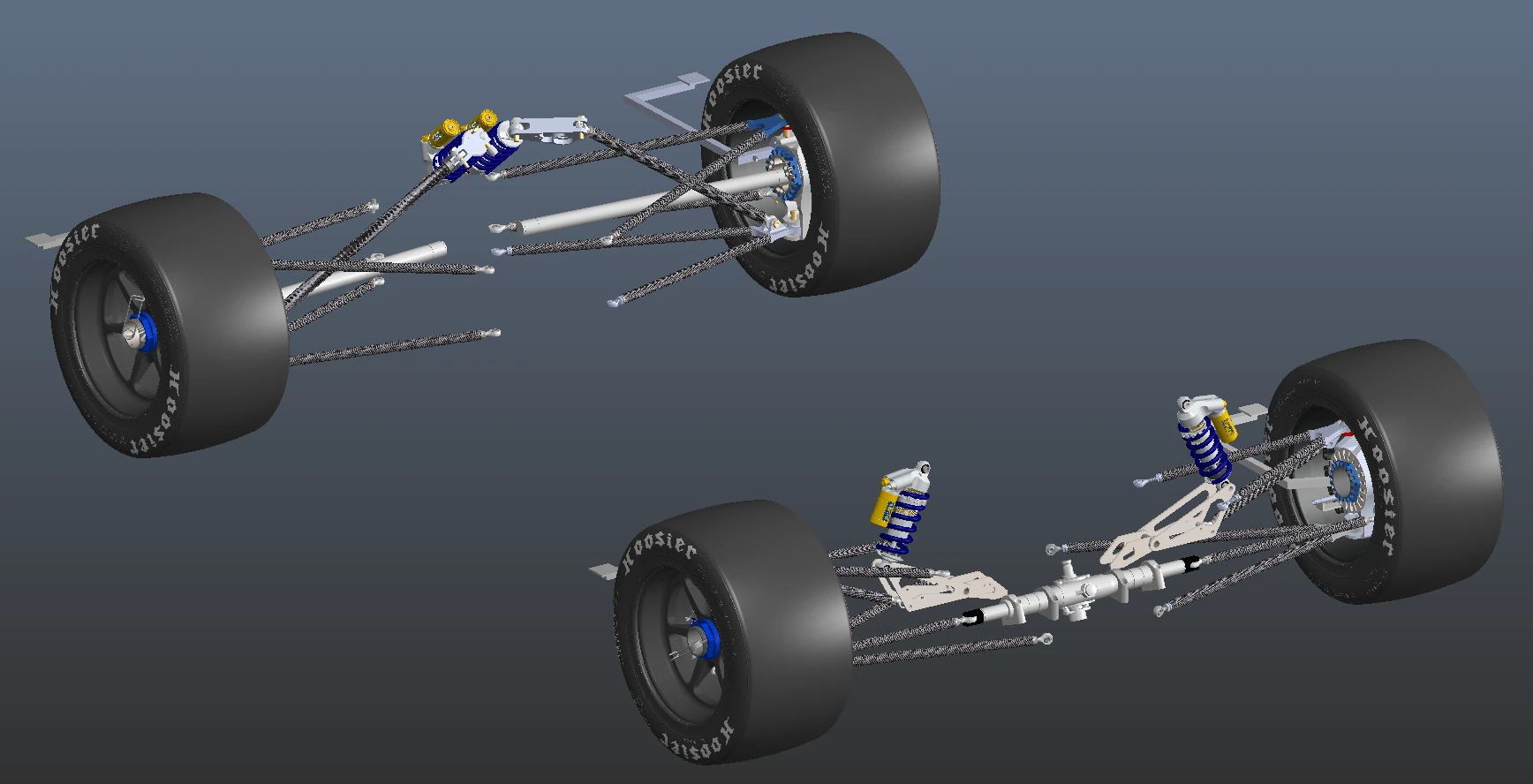
01 / Cost scenario
Translate Formula SAE’s assigned suspension challenge into a supplier-ready RFQ.
For 2026, Formula SAE linked the Presentation and Cost and Manufacturing events around a shared suspension subsystem challenge. Every team had to submit an RFQ, which served as the Cost Scenario discussion portion of onsite judging.
Our two-person team, made up entirely of freshmen, had to turn that assigned system into a professional package. It needed to give a capable supplier enough information to source, manufacture, inspect, assemble, and deliver the suspension without relying on undocumented team knowledge.
02 / Technical package
Account for every part, including every nut, bolt, fastener, and washer.
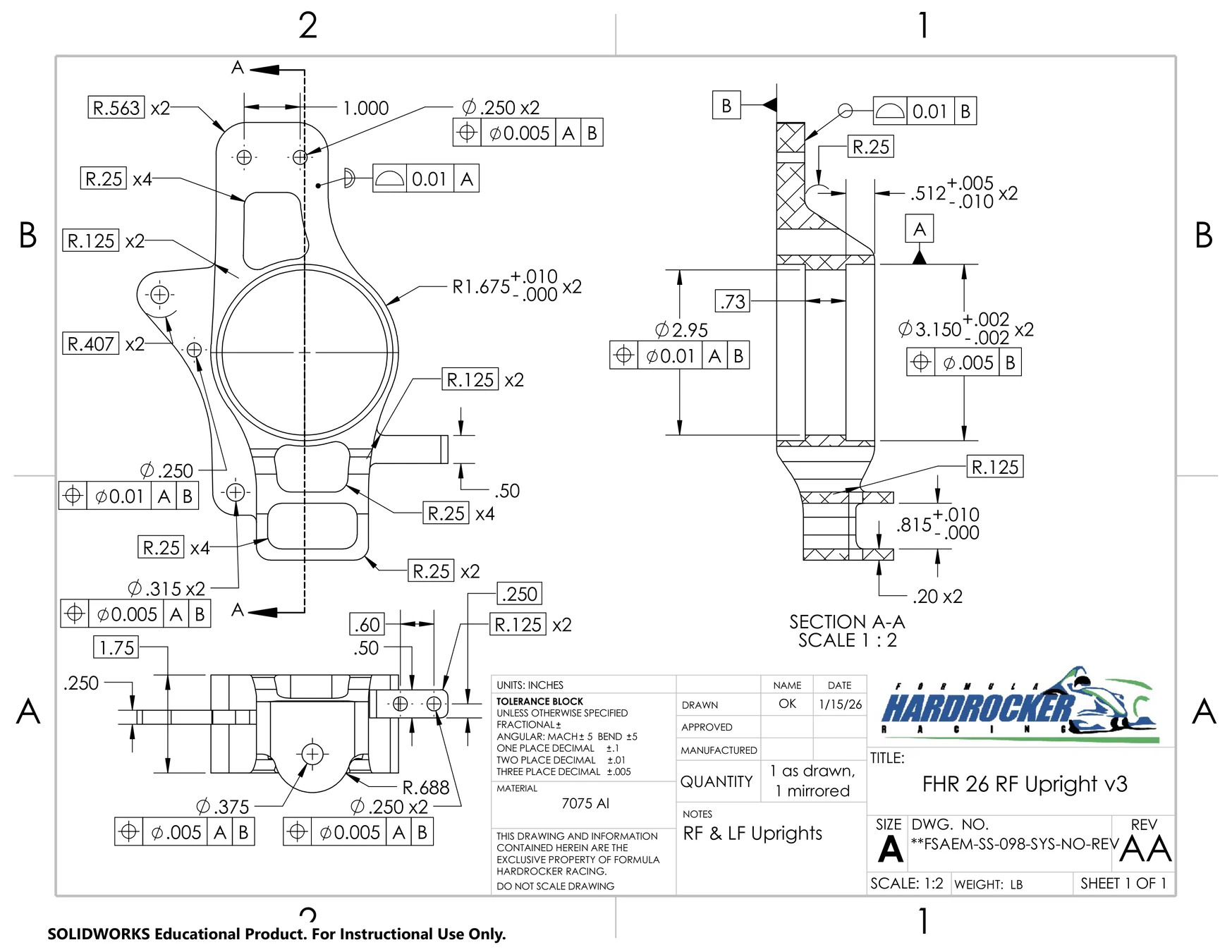
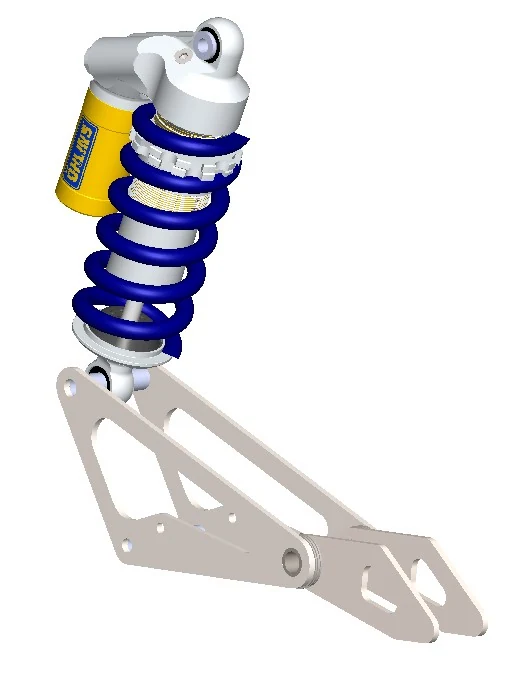
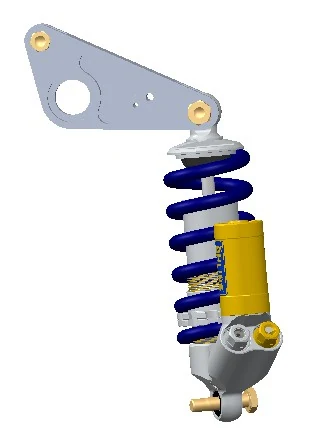
We organized the front and rear suspension into uprights, carbon-fiber control arms, rockers, push and pull rods, toe rods, dampers, camber hardware, and raw materials. The bill of materials accounted for every nut, bolt, fastener, and washer across the entire suspension sub-assembly.
Each BOM entry tied part numbers and quantities to materials, stock sizes, vendors, make-or-buy decisions, processing costs, and assembly drawings.
The final RFQ combined the document index, bill of materials, part and assembly drawings, fixture drawings, manufacturing requirements, assembly instructions, inspection expectations, and delivery schedule into one controlled package.
- Cross-referenced every bill-of-material entry with the drawings and supplier responsibilities.
- Documented custom jigs and fixtures needed before dependent parts could be produced.
- Separated team installation work from the supplier's manufacturing and assembly scope.
03 / Manufacturing plan
Sequence procurement, fixtures, production, bonding, and inspection.
The eight-week supplier timeline began with clarification and quotation, then moved through procurement, fixture production, metallic-part manufacturing, composite-tube preparation, adhesive bonding, bearing installation, rod-length setting, inspection, and corner-by-corner packaging.
Critical instructions covered braided carbon-fiber tube preparation, DP420 bonded joints with controlled glass beads, press-and-stake bearing installation, custom rod-length readers, material substitutions, and final deviation reporting.
04 / Result
A two-person freshman team placed 13th out of 109 teams.
We delivered a 131-page supplier-facing package and the final judge presentation. The submission connected technical drawings, cost data, manufacturing planning, inspection requirements, and technical communication across a complete vehicle subsystem.
Finishing 13th out of 109 teams showed that a small team could compete effectively by building a complete, consistent, and practical manufacturing package.
Tools and methods
- SolidWorks
- Excel
- GD&T
- Cost analysis
- Supplier planning
- Technical writing
- Design for manufacturing